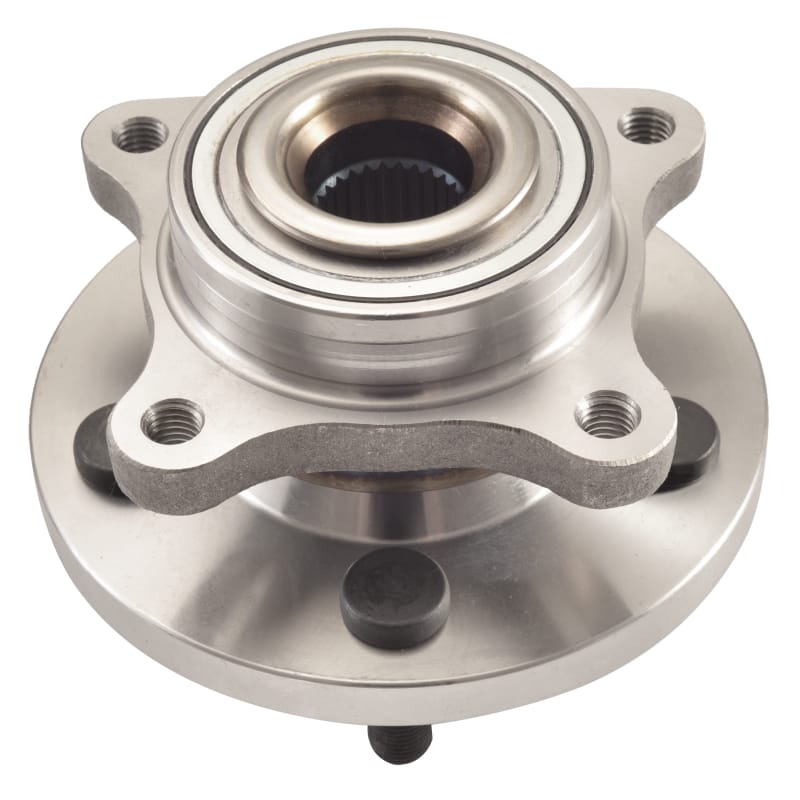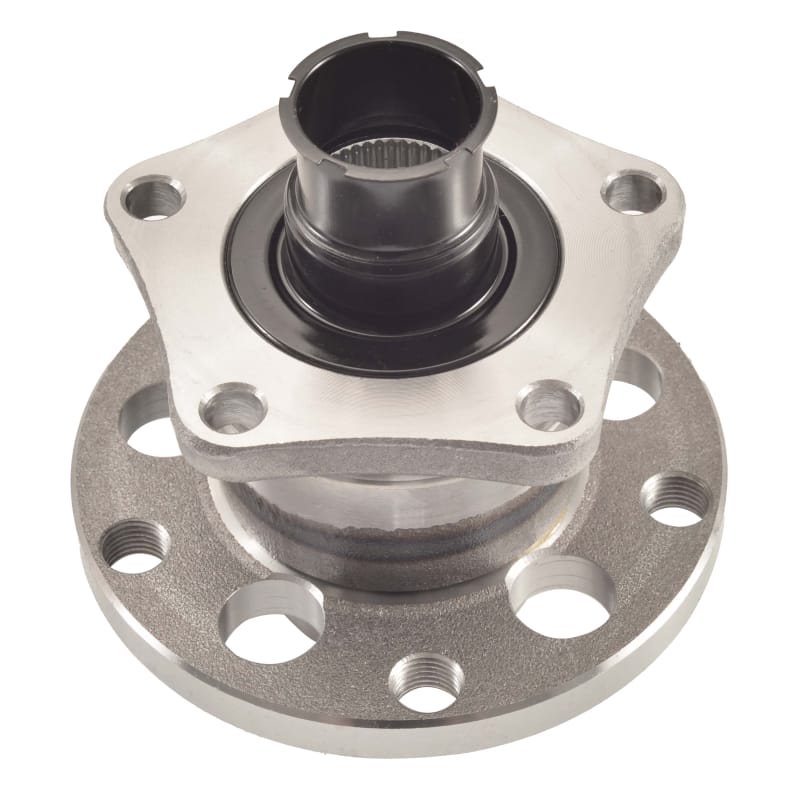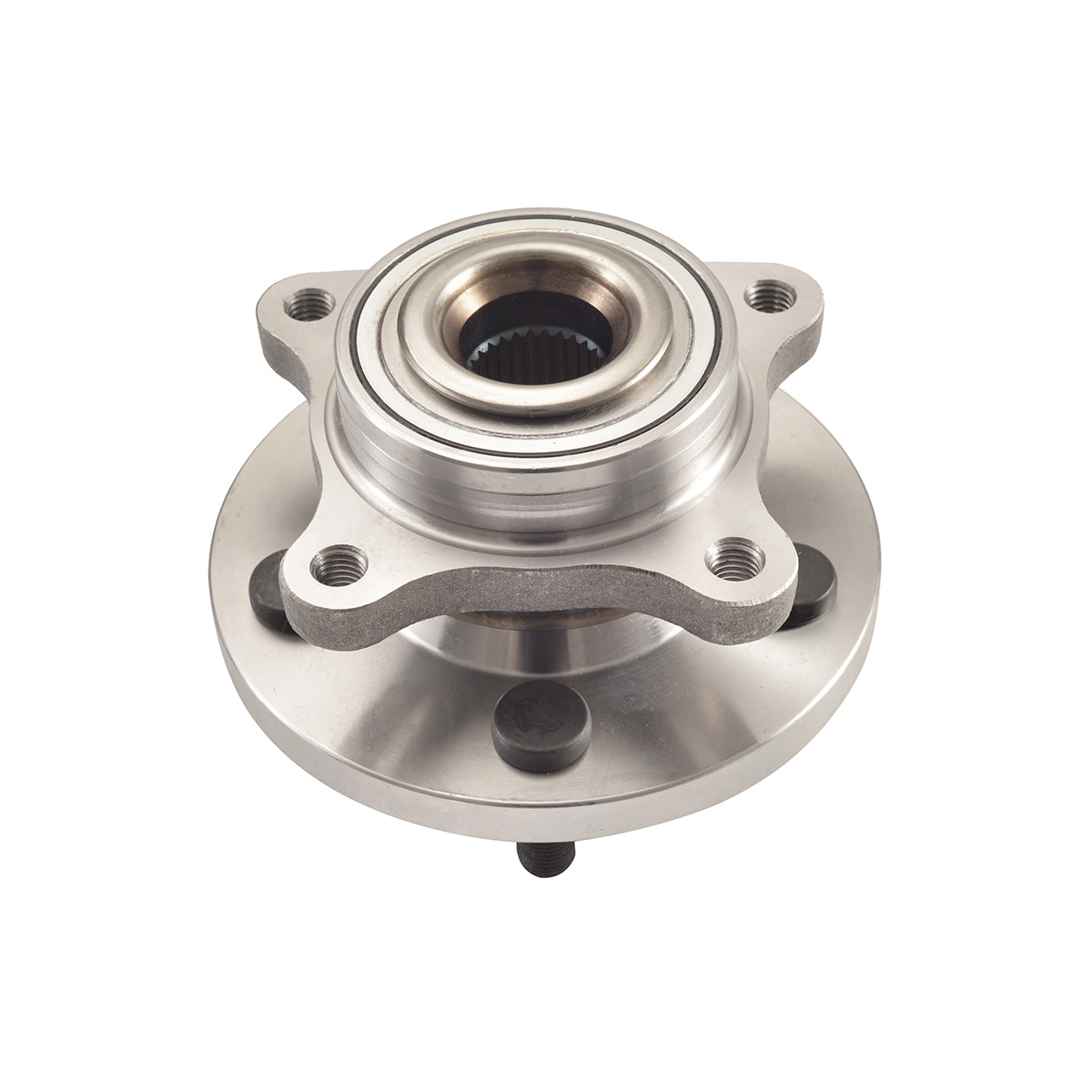
**Understanding the Differences Between Wheel Hubs and Wheel Bearings: A Key Insight for Vehicle Maintenance**In the realm of automotive engineering, understanding the various components that contribute to a vehicle’s performance and safety is crucial. Two such components often discussed but frequently confused are the wheel hub and the wheel bearing. Both parts play vital roles in the functioning of a vehicle’s wheels, yet they serve distinct purposes. This article delves into the differences between wheel hubs and wheel bearings, highlighting their functions, maintenance needs, and importance in vehicle safety and performance.### What is a Wheel Hub?The wheel hub is a central part of the wheel assembly. It is the mounting assembly for the wheel and tire, connecting them to the vehicle. The hub holds the lug bolts or studs on which the wheel is mounted, providing a secure attachment. It is usually made of steel or aluminum and includes provisions for mounting brake discs or drums, depending on the vehicle’s braking system.The wheel hub also serves as a housing for the wheel bearing. It plays an essential role in ensuring that the wheel rotates smoothly and is securely attached to the axle. Modern wheel hubs often include an integrated wheel speed sensor for the ABS (anti-lock braking system), which enhances vehicle safety by preventing wheel lock during braking.### What is a Wheel Bearing?The wheel bearing is a crucial component situated inside the wheel hub. Its primary function is to allow the wheel to rotate with minimal friction while supporting the vehicle's weight. Wheel bearings consist of a set of steel balls or rollers housed within a metal ring called a race. Together, these parts facilitate smooth and efficient wheel rotation under various driving conditions.Wheel bearings are designed to endure significant stresses as they handle radial and axial loads from the vehicle’s weight and dynamic forces experienced during driving, braking, and cornering. Over time, wheel bearings may wear out due to contamination, lack of lubrication, or damage, leading to noise, vibration, and potential safety hazards.### Key Differences Between Wheel Hubs and Wheel BearingsWhile the wheel hub and wheel bearing work in tandem, distinguishing between them is essential for vehicle maintenance and troubleshooting:- **Function**: The hub acts as the mounting point for the wheel and brake components, whereas the wheel bearing enables free rotation of the wheel with minimal friction.- **Location**: The wheel bearing is housed within the wheel hub assembly.- **Maintenance and Replacement**: Wheel bearings often require periodic inspection and replacement as they wear out, which can be more frequent than wheel hubs that are generally sturdier. However, some modern vehicles use integrated hub bearing assemblies, making it necessary to replace the entire hub unit if the bearing fails.- **Role in Vehicle Systems**: While both are critical for wheel movement, the wheel hub also incorporates wheel speed sensors that communicate with vehicle safety systems.### Why Understanding These Differences MattersMisidentifying a problem related to either the wheel hub or wheel bearing can lead to improper repairs and increased costs. For example, a worn wheel bearing typically produces a humming or grinding noise, especially noticeable when turning or at higher speeds. Ignoring these symptoms can result in axle damage, compromised braking, or even wheel separation, posing serious safety risks.Conversely, damage to the wheel hub, such as a bent or cracked hub, can lead to wheel misalignment and uneven tire wear, adversely affecting vehicle handling and performance. Recognizing the source of the issue allows for accurate diagnosis and effective repairs.### Ensuring Quality and Reliability in Wheel ComponentsFor automotive repair shops and vehicle owners, sourcing quality wheel hubs and bearings is paramount. Components must meet rigorous standards to endure the mechanical loads and environmental factors encountered during driving. Premium-quality parts not only ensure vehicle safety but also extend the lifespan of the wheel assembly and reduce maintenance costs.### About [Company Name][Company Name] is a leading provider of high-quality automotive components, specializing in wheel hubs, wheel bearings, and other critical vehicle parts. With decades of experience in the automotive industry, [Company Name] is committed to delivering durable, reliable, and precision-engineered products to OEMs and aftermarket customers worldwide. Adhering to stringent quality control procedures and leveraging advanced manufacturing technologies, [Company Name] ensures that every component meets global standards for safety and performance.Their comprehensive product lineup covers a broad spectrum of vehicle makes and models, supporting everything from passenger cars to commercial trucks. [Company Name] also offers expert technical support and consultation services to help automotive professionals select the right components and maintain optimal vehicle performance.### Final ThoughtsUnderstanding the distinctions between wheel hubs and wheel bearings empowers vehicle owners and technicians to maintain safer and more reliable vehicles. Regular inspections and timely replacements of these components can prevent costly repairs and enhance driving safety. Trusting reputable manufacturers and suppliers like [Company Name] ensures access to top-quality parts that uphold vehicle integrity and performance.By investing in knowledge and quality components, drivers and mechanics alike can contribute to a smoother, safer driving experience on today’s roads.---*For more information about wheel hubs, wheel bearings, and other automotive components, visit [Company Name’s] official website or contact their customer service team.*
Read More