
Different Types of Bearings: A Comprehensive Guide
By:Admin
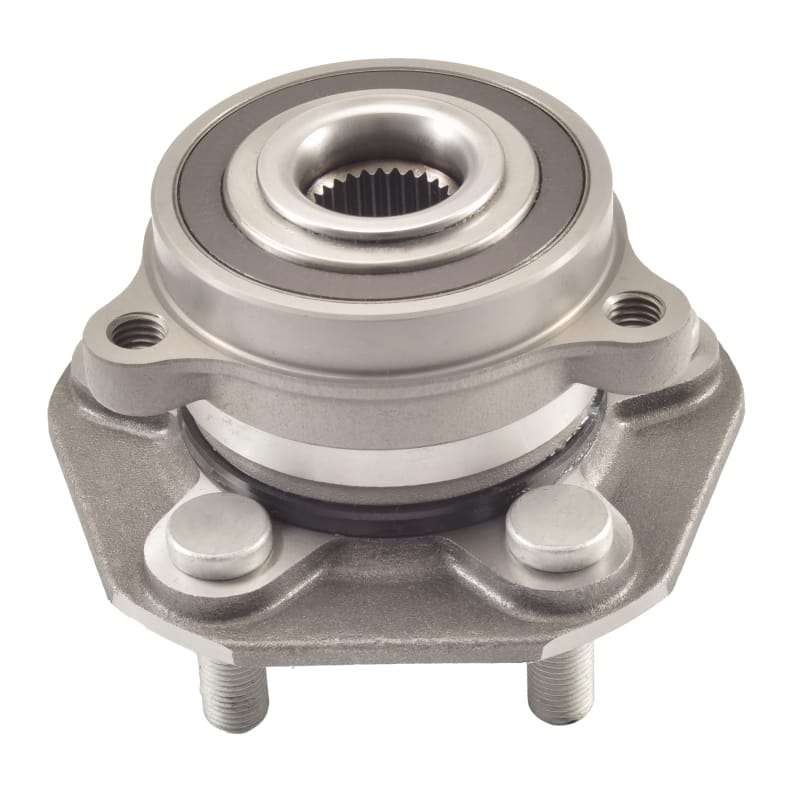
Bearings are fundamental components in a wide range of machinery and equipment, enabling rotational or linear movement while reducing friction and handling stress between moving parts. In industrial and mechanical engineering, the selection of the appropriate bearing type is crucial for optimizing performance, durability, and efficiency. This article provides an in-depth overview of the various kinds of bearings commonly used today, highlighting their characteristics, applications, and advantages.
### What Are Bearings?
Bearings are mechanical elements that support loads and facilitate the relative motion between parts. They are designed to reduce friction and wear, allowing parts to move smoothly and efficiently. Bearings come in numerous types, each tailored to specific load conditions, speed, and operational environments.
### Major Types of Bearings and Their Features
1. **Ball Bearings**
Ball bearings are among the most widely used types. They feature spherical rolling elements housed between inner and outer rings. These bearings efficiently support both radial and axial loads and operate well at high speeds due to minimal friction. Ball bearings are commonly found in electric motors, automotive applications, and household appliances.
2. **Roller Bearings**
Unlike ball bearings, roller bearings use cylindrical, tapered, or spherical rollers instead of balls. This design allows them to carry heavier radial loads. There are several subcategories:
- **Cylindrical Roller Bearings:** Ideal for heavy radial loads but limited support for axial loads.
- **Spherical Roller Bearings:** Capable of accommodating misalignment and handling heavy radial and axial loads.
- **Tapered Roller Bearings:** Designed to manage combined radial and axial loads, frequently used in automotive wheel hubs.
3. **Needle Bearings**
Needle bearings are a subset of roller bearings with long, thin rollers. Their small cross-section allows them to fit in applications with limited radial space. They can carry heavy loads relative to their size and are often used in automotive transmissions and gearboxes.
4. **Thrust Bearings**
These are specialized bearings designed to handle axial loads (loads parallel to the shaft). Thrust ball bearings and thrust roller bearings are common variants used in applications like rotary tables and automotive steering systems.
5. **Plain Bearings**
Also known as bushings or sleeve bearings, plain bearings do not have rolling elements. Instead, they provide a sliding surface between two parts. Despite higher friction, they offer simplicity, reliability, and are often used in heavy-load, low-speed applications, such as in construction equipment and marine engines.
6. **Magnetic Bearings**
A more advanced type, magnetic bearings support loads using magnetic fields, eliminating physical contact. This reduces friction considerably and is used in high-speed applications like turbines and vacuum systems.
### Importance of Bearing Selection
Selecting the right bearing type depends on various factors, including load types, speed, precision, temperature, environmental conditions, and maintenance capabilities. A mismatch can lead to premature failure, downtime, and costly repairs.
For example, an automotive manufacturer focusing on high-speed performance engines will favor ball bearings for their balance of speed and load capabilities. Conversely, heavy machinery used in construction might require roller or plain bearings that can withstand heavier loads and harsher environments.
### Innovations In Bearing Technology
Recent advancements include developments in bearing materials such as ceramics and composites, enhancing wear resistance and operating temperature limits. Additionally, improvements in lubrication technology and sealing systems have extended bearing life and performance in challenging conditions.
The integration of sensors and IoT technology into bearing systems is revolutionizing predictive maintenance, allowing companies to monitor their equipment’s condition in real-time and avoid unexpected failures.
---
### About [Company Introduction Placeholder]
[Company Name] is a leading manufacturer and supplier of high-quality bearings designed to meet diverse industrial needs. With decades of experience, [Company Name] offers a comprehensive range of bearing products including ball bearings, roller bearings, needle bearings, throat bearings, and customized solutions for specialized applications.
The company prides itself on its commitment to innovation, quality, and customer satisfaction. By leveraging advanced manufacturing technologies and stringent quality control procedures, [Company Name] ensures that every bearing delivered meets the highest standards of performance and reliability.
Catering to industries such as automotive, aerospace, heavy machinery, and electronics, [Company Name] is dedicated to providing solutions that enhance operational efficiency and durability. Their expert team collaborates closely with clients to identify challenges and tailor bearing systems that optimize performance while reducing lifecycle costs.
Furthermore, [Company Name] invests heavily in research and development, staying ahead of market trends and technological evolution to continuously improve their product offerings. Through this commitment, the company has established itself as a trusted partner for businesses worldwide seeking top-tier bearing solutions.
---
### Conclusion
Bearings are indispensable in modern machinery, and understanding the different types is vital for engineers and businesses aiming to improve equipment reliability and efficiency. From ball bearings to magnetic variants, each type serves a distinct function suited for specific applications and working conditions.
By partnering with experienced manufacturers like [Company Name], industries can access high-quality bearings that not only meet but exceed operational demands. With ongoing technological advancements and a focus on innovation, the future of bearing technology promises even greater performance enhancements and operational benefits for a wide range of sectors.