
Types of Wheel Bearings: A Comprehensive Guide
By:Admin
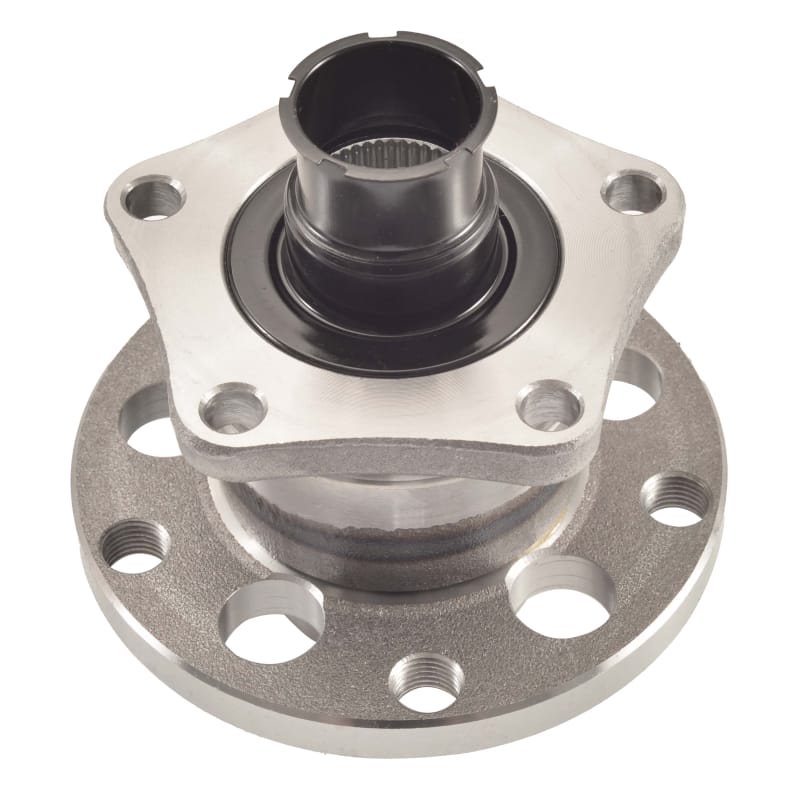
Wheel bearings are a crucial component in automotive technology, playing a vital role in ensuring smooth vehicle operation and safety. They support the wheel and enable it to rotate with minimal friction, bearing the load of the vehicle while maintaining optimal performance. With numerous types of wheel bearings available in the market, understanding their differences and applications can help consumers and professionals make informed decisions. This article delves into the various types of wheel bearings used in vehicles, shedding light on their design, function, and advantages.
### What Are Wheel Bearings?
Before exploring the types, it’s essential to understand what wheel bearings do. Wheel bearings are metal components that allow the wheels to spin freely while supporting the vehicle's weight. They also help reduce friction and wear between moving parts. Properly functioning wheel bearings contribute to vehicle stability, comfort, and fuel efficiency, making them critical for safe driving.
### Types of Wheel Bearings
Wheel bearings come in various designs, each suited for different vehicle types and performance requirements. The main types of wheel bearings include:
#### 1. Ball Bearings
Ball bearings are among the most common types used in wheel hubs. They consist of steel balls housed within two rings called races. The balls roll between the inner and outer race, facilitating smooth rotation and distributing loads evenly. Ball bearings are known for their versatility, handling both radial and axial loads effectively.
**Advantages**:
- Lower friction and heat generation
- High rotational speeds possible
- Relatively inexpensive and easy to replace
**Applications**: Predominantly used in passenger cars and light-duty vehicles.
#### 2. Tapered Roller Bearings
Tapered roller bearings are designed to handle higher load capacities compared to ball bearings. These bearings feature conical rollers, which allow them to manage both radial and thrust loads effectively. The tapered shape helps in distributing weight and forces more evenly, making them suitable for heavier vehicles.
**Advantages**:
- Superior load-bearing capacity
- Increased durability under heavy stress
- Better handling of axial forces
**Applications**: Commonly found in trucks, SUVs, and commercial vehicles that require robust support.
#### 3. Cylindrical Roller Bearings
Cylindrical roller bearings use cylindrical rollers instead of balls. These rollers contact the races over a larger area, enabling them to carry greater radial loads. However, they are less efficient for handling axial loads compared to tapered bearings.
**Advantages**:
- High radial load capacity
- Lower friction compared to other roller types
- Good for high-speed applications
**Applications**: Suited for high-speed vehicles and racing cars where radial load management is crucial.
#### 4. Magnetic Bearings
Magnetic bearings represent an innovative approach in wheel bearing technology. Instead of physical contact, they employ magnetic fields to levitate the rotating part, dramatically reducing friction and wear. While not widely adopted in mainstream automotive due to cost and complexity, they show promise for future applications.
**Advantages**:
- Near-zero friction
- Extended lifespan due to lack of wear
- Reduced maintenance needs
**Applications**: Specialized high-performance vehicles and research applications.
#### 5. Wheel Hub Bearings (Integrated Wheel Bearings)
Modern vehicles increasingly use integrated wheel hub bearings, also known as hub units. These combine the bearing and wheel hub into a single pre-assembled unit. Such integration simplifies installation and maintenance while improving precision and reducing noise.
**Advantages**:
- Simplified installation process
- Improved accuracy and reliability
- Enhanced protection from contaminants
**Applications**: Most contemporary passenger cars and light commercial vehicles.
### Importance of Proper Wheel Bearing Maintenance
Regardless of the type, wheel bearings require regular maintenance to ensure longevity and performance. Neglected bearings can lead to excessive noise, reduced handling stability, increased rolling resistance, or even wheel detachment in severe cases. Routine inspections, timely lubrication, and replacement of worn bearings are essential components of vehicle upkeep.
### Company Overview
[Company Introduction Placeholder]
*This section can provide an introduction to a company specializing in the manufacture or distribution of wheel bearings, highlighting its commitment to quality, innovation, and customer satisfaction.*
### Conclusion
Wheel bearings are fundamental to vehicle safety and efficiency. Choosing the right type of wheel bearing depends on factors such as vehicle weight, load conditions, speed requirements, and budget. Ball bearings suit everyday passenger vehicles, while tapered and cylindrical roller bearings provide enhanced durability and load handling for heavier or high-speed vehicles. Emerging technologies like magnetic bearings showcase the future potential for frictionless performance.
For consumers and automotive professionals alike, understanding the differences among these bearing types fosters better maintenance decisions and optimal vehicle performance. Regular servicing and using high-quality wheel bearings remain paramount to ensuring safe and smooth journeys on the road.
---
If you would like more specific information or guidance regarding wheel bearing products or services, please contact our expert team for tailored assistance.