
Wheel Bearing vs Hub: Key Differences Explained
By:Admin
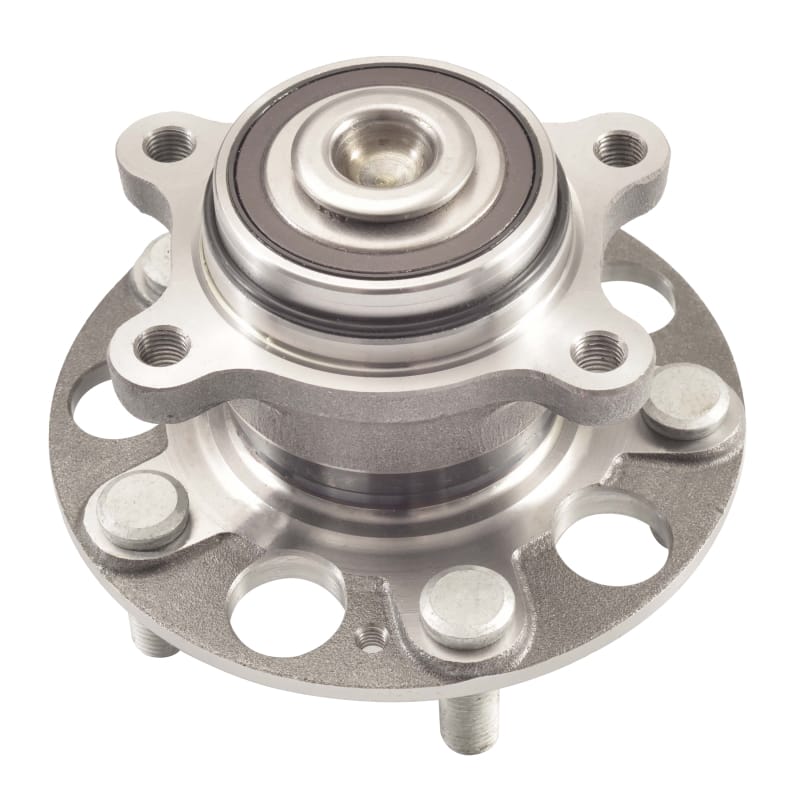
In the realm of automotive maintenance and repair, understanding the components that make up your vehicle’s wheel assembly is crucial. Two essential parts frequently discussed yet often confused are the wheel bearing and the wheel hub. Though these components work closely together to ensure smooth wheel rotation and vehicle safety, they serve distinct functions. This article aims to clarify the differences between wheel bearings and wheel hubs, highlight their roles, and emphasize why proper maintenance and timely replacement are critical for optimal vehicle performance.
### What is a Wheel Bearing?
A wheel bearing is a set of steel balls or rollers contained within a metal ring known as a race. This crucial component is designed to allow the wheels of a vehicle to spin with minimal friction. Wheel bearings support the weight of the vehicle while providing a smooth rotation of the wheels. They sit inside the wheel hub and are lubricated with grease to reduce wear and tear.
Wheel bearings endure significant stress from the weight of the vehicle, cornering forces, acceleration, and braking. Over time, bearings can wear out due to contamination, corrosion, or lack of lubrication. When a wheel bearing becomes faulty, you might notice symptoms such as a humming or grinding noise coming from a wheel, uneven tire wear, or even looseness in the wheel itself. Failure to address a defective wheel bearing can lead to compromised steering and braking performance, posing safety risks.
### What is a Wheel Hub?
The wheel hub, on the other hand, is the mounting assembly for the wheel of the vehicle. It connects the wheel itself to the axle and houses the wheel bearing inside. The hub acts as the central component where the vehicle’s wheels attach, usually with several lug bolts or studs. It interfaces with the drive axle and allows power from the engine to be transferred to the wheels in vehicles with driven axles.
In modern vehicles, wheel hubs often incorporate an integrated wheel speed sensor, which is crucial for anti-lock braking systems (ABS) and traction control systems. The sensor detects the rotational speed of the wheel, helping these systems maintain traction and improve safety during driving in various conditions.
The hub assembly endures the forces transmitted by the wheel and keeps the wheel securely attached to the vehicle. When the wheel hub is damaged or worn out, issues such as vibrations at the steering wheel, excessive play in the wheel, or wheel misalignment may occur. Since the hub holds the wheel bearing within it, a faulty hub can indirectly affect bearing performance and vice versa.
### Key Differences Between Wheel Bearings and Wheel Hubs
While the terms are sometimes used interchangeably, wheel bearings and wheel hubs are fundamentally different components with distinct roles:
- **Function:** The wheel bearing facilitates smooth and frictionless rotation of the wheel by supporting the vehicle’s weight. The wheel hub is a structural component that holds the wheel and bearing assembly and connects it to the vehicle.
- **Structure:** The bearing is an internal component, either a ball bearing or roller bearing setup, housed inside the wheel hub. The hub is an external assembly that bolts to the vehicle’s axle and the wheel.
- **Symptoms of Failure:** Bearing problems usually manifest as noise (grinding or humming) and wheel looseness. Hub problems can cause vibrations, wheel wobble, or ABS warning lights due to sensor faults.
- **Replacement:** Replacing a wheel bearing can be a complex task requiring press tools to remove and install the bearing inside the hub. In modern vehicles, many mechanics replace the entire hub assembly, which includes the wheel bearing, for longevity and convenience.
### Importance of Maintenance and Replacement
Routine inspection of the wheel bearing and hub assemblies is an essential part of vehicle maintenance. Mechanics typically check these components during tire rotations or brake service. Ignoring symptoms of wear or damage can lead to more severe mechanical failures, increased repair costs, and unsafe driving conditions.
Timely replacement of either the bearing or the hub assembly can restore vehicle handling, reduce noise, and enhance driving safety. Choosing quality parts and professional installation is crucial because these components bear significant stresses and impact overall vehicle performance.
### About Our Company
{Insert company introduction here}, we specialize in providing high-quality automotive parts and expert repair services to ensure your vehicle remains safe and performs at its best. With years of experience in the automotive industry, our team understands the importance of reliable wheel bearing and hub assemblies. We offer a wide range of premium components, designed to meet or exceed OEM specifications, and deliver exceptional durability and performance.
Our commitment to quality and customer satisfaction has made us a trusted partner for vehicle owners and repair professionals alike. Whether you need diagnostics, repair advice, or replacement parts, we are here to support your vehicle maintenance needs with expertise and care.
### Conclusion
Distinguishing between wheel bearings and wheel hubs is essential for understanding vehicle maintenance and troubleshooting issues related to wheel assemblies. While wheel bearings ensure smooth wheel rotation with minimal friction, wheel hubs provide the critical interface between the wheel and the vehicle’s axle.
Proper maintenance, timely diagnosis, and replacement of these components are vital to ensure safe driving, prevent further damage, and enhance the longevity of your vehicle. For reliable parts and expert services, turn to trusted automotive specialists who prioritize your vehicle’s performance and your safety.
Stay informed, stay safe, and keep your wheels turning smoothly.